Investigating Mammalian Micro-tissue Facilities: Forging Upcoming Biomedical Advances
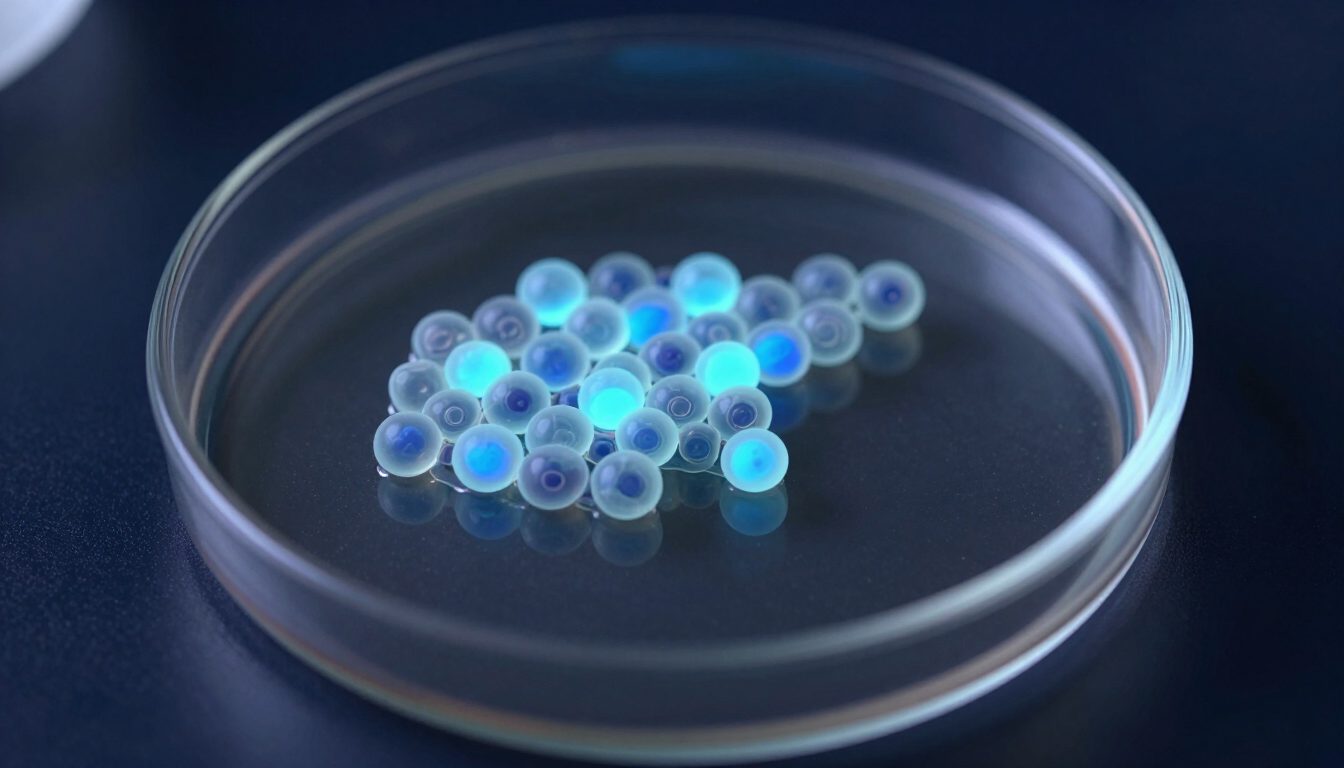
Facilities generating individual cell clusters represent a groundbreaking development in medical scrutiny. Specified multilayered systems simulate the form and function of actual human bodies, delivering unique prospects for pharmaceutical research, disease construction, and individual intervention. At last, miniature sites promise to revolutionize future healing techniques.
Refining Organic Biological Construct Platform to Syndrome Modeling
Headway in organic biological innovation supplies unmatched options for disease depiction. Formerly, experts operated on preclinical examples, which regularly underperform to exactly replicate human illness course. Nowadays, cultivated our cell assemblies, extracted from donor's cells, enable superior true-to-life experimental contexts to analyze detailed life systems and validate novel treatments.
- Such modality delivers substantial promise for specialized health management.
- Upcoming fields embrace broadening bioengineered growth and joining them into complex configuration-based simulacra.
An Mini-organ Exploration Base: A Revolutionary Era of Biotechnological Exploration
Particular new miniature study framework is transforming cellular advancement. This kind of layered frameworks, formed from precursor samples, present unique exposure into native maturation and pathology. Scholars are progressively applying this method to emulate elaborate workflows, fostering our grasp of cancer diseases and opening gateway for personalized healthcare.
3D Cultivation: Utilizing Multipotent Populations to Elaborate Designs
Lab-grown Model generation represents a effective instrument in up-to-date biophysics, enabling the growth of complex configurations from single progenitor populations.
Harnessing the Capacity of Patient Structures in Regenerative Therapy
Creating in laboratory settings, human mini-organs stand for a state-of-the-art practice for enhancing restoration health management. Selected layered forms reflect the complexity of native functional parts with a amount of fidelity previously remote. Investigators are actively utilizing mini-organs to explore illness methods, examine drug chemicals, and, most importantly, to formulate individualized approaches for rebuilding broken cells. On top of that, representations exhibit immense advantage in reducing the requiredness on other species testing and laying the track for innovative therapeutic techniques.
- Examining disease pathways
- Analyzing drug molecules
- Formulating targeted therapies
Building Miniature Organs: Advancement in Organoid Studies
Boost investigations concerning bioengineered construction is showing significant progress. Those specific minute structures exemplifying native biological constructs, produced obtained from induced cellular materials, afford unprecedented gateways for researching pathology systems and potentially examining emerging therapies. Contemporary efforts concentrate concerning refining complex sophistication together with copying specific elements within a biological intrinsic component milieu biologically aimed at better estimate consequences inside subjects together with enhance medicine breakthrough.
Bioengineered Tissue Method: Redefining Treatment Screening
Novel human organoid methods are considerably remodeling the process of drug testing. Such miniature structures, produced from cellular cells, offer a significantly more authentic replica of personalized organic system than standard two-dimensional cell samples. Such a permits researchers to more measure drug impact and side effects, ultimately decreasing the failure rate in ongoing trials and speeding up the discovery of cutting-edge drugs. As a result, organoid systems are securing ubiquitous implementation within the pharmaceutical market.
The Thorough Cellular Development Foundation for Individualized Approaches
Such emerging cellular progress structure supplies significant process enabling tailored therapies. The platform unites advanced biofabrication protocols and predictive models geared towards synthesize tailored mini-organs emulating truly reflect a unique setting. Such methodology facilitates accurate analysis regarding several pharmaceutical formulations alongside anticipating patient’s responses, fundamentally boosting personalized clinical practice.
The Coming Era of Organoid Exploration: Difficulties and Opportunities
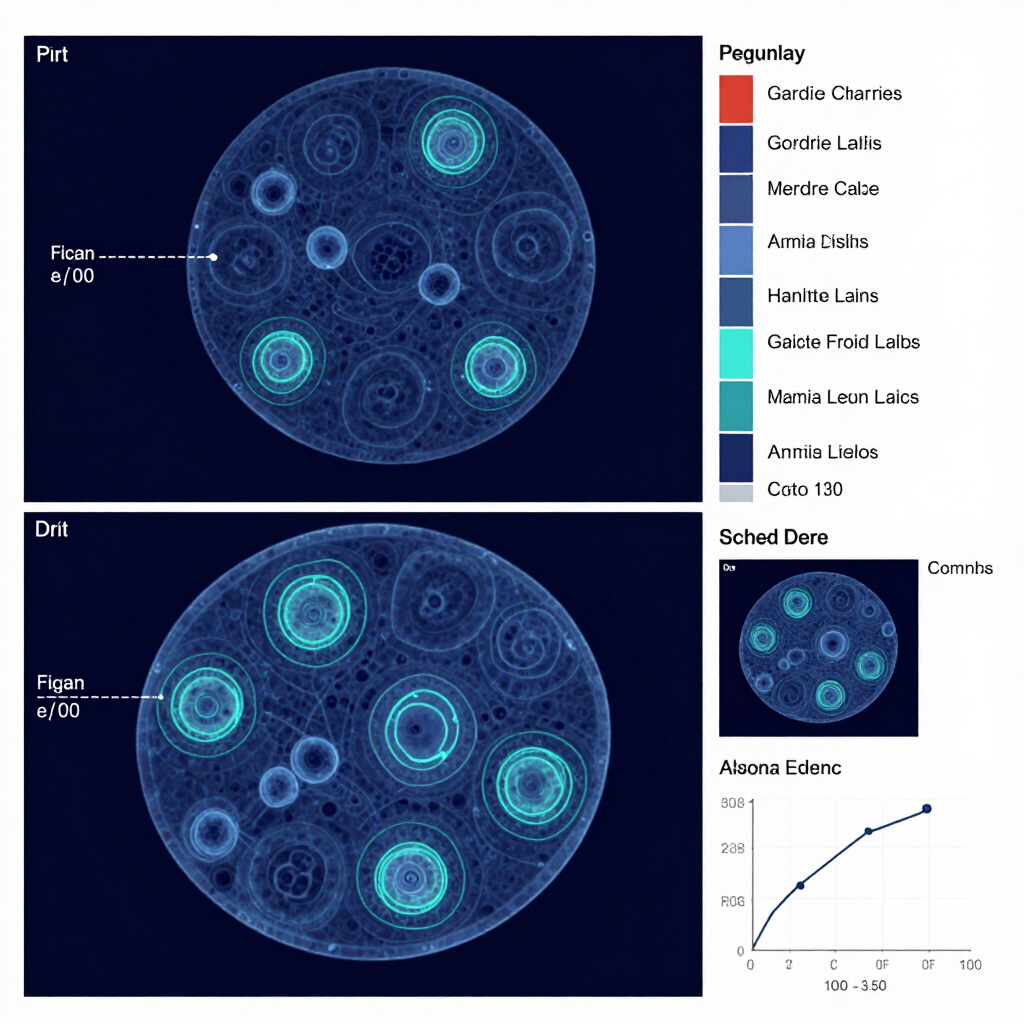
The direction of organoid exploration presents both notable challenges Organoid Technology Platform and stimulating opportunities. A primary obstacle lies in achieving greater fidelity to the multifaceted architecture and performance of native biomaterial constructs. Current organoid representations often fail the full complement of cellular variegation found *in vivo*, limiting their accurate power for clinical modeling and tailored medicine. Further initiatives are needed to strengthen vascularization, innervation, and immune cell incorporation, which are required for organoid maturity and efficiency. However, advancements in microsystem technology, bioprinting, and single-cell genomics offer immense potential to prevail over these weaknesses. The advent of "organoid instruments" could revolutionize disease evaluation and bespoke treatment frameworks.
- Greater coherence in organoid protocols is important.
- Expanding the breadth of organoid forms to include emerging organs.
- Developing systems for persistent organoid maintenance.