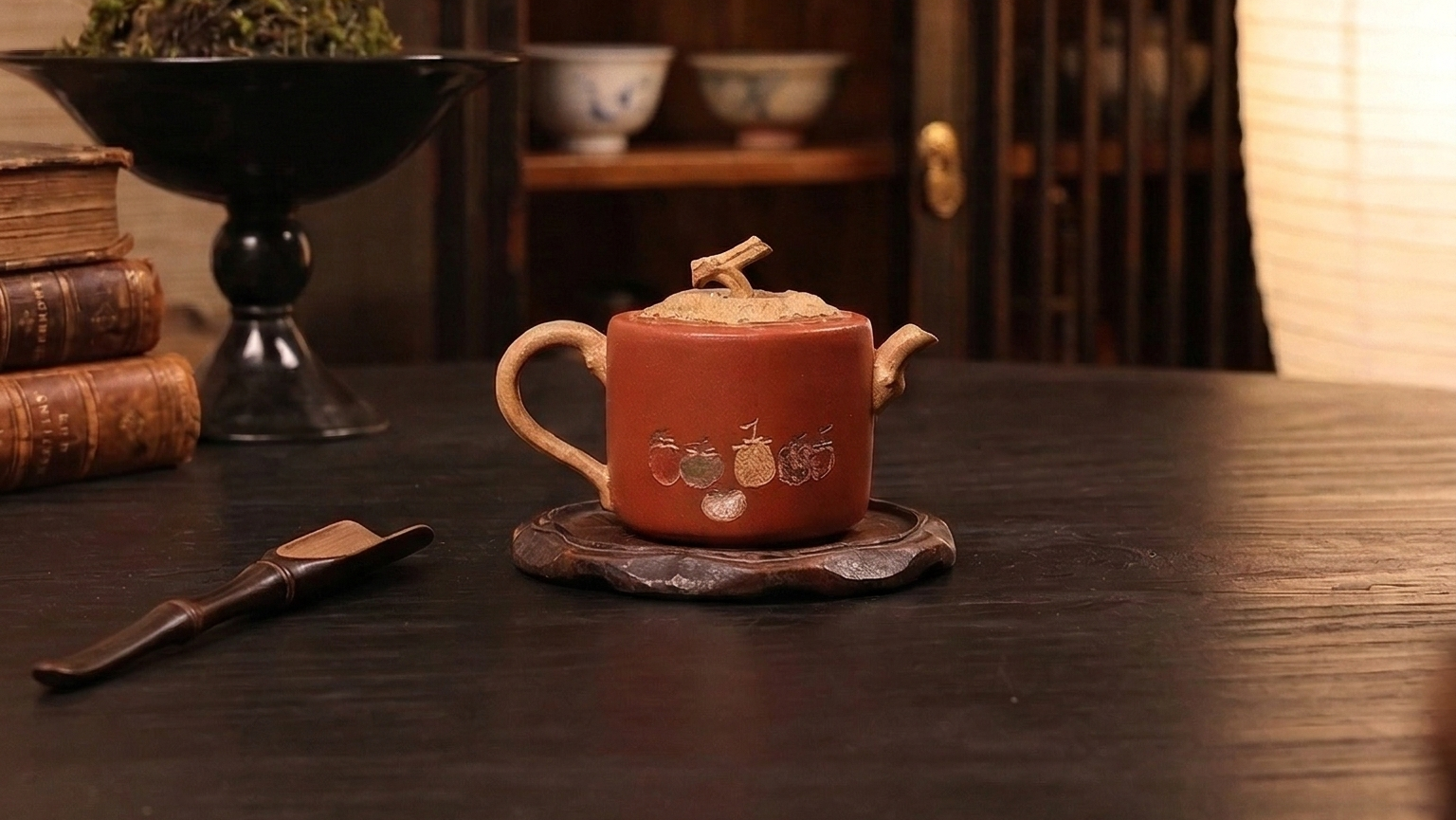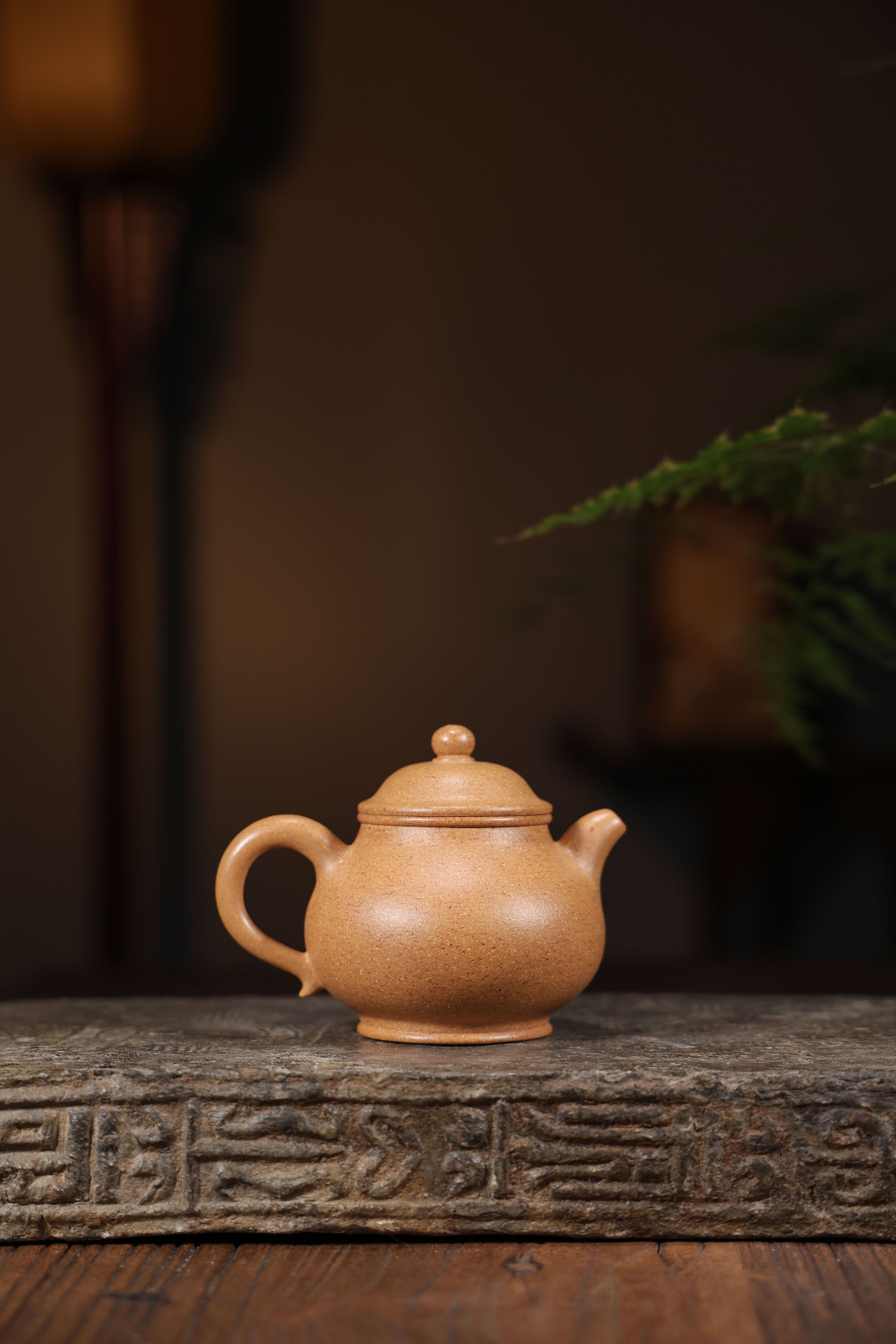
Enduring lineage determines Zisha pottery alongside timespans,
Expressing exclusive characteristics gathered amidst provincial heliotrope clays, these pots evolve a sheen along practice, improving taste drawn from infused beverages.
Discovering Yixing Material: Comprehensive Insights into Zisha
Countless aficionados appreciate the special grain of Yixing violet clay, a foundation of classic Chinese pottery. Originating from the Yixing region of Jiangsu province, this notable clay shows an refined mineral blend, such that gives remarkable qualities to the completed pieces. Models within Zisha, including Hong Mud, Duan Ni Mud, and Jiang Xi Mud, each possesses individual shades, textures, and processing traits, changing the absorption and the decisive flavor evolution of the concoction.
Asiatic Vessel Traditions: Learning Creativity
Sino teapots embody far more mere urns for liquid; they embody centuries of inherited craft. From the exemplary Yixing clay variations, respected for their breathable nature which transfers distinctive tones to the infusion, to the elegant porcelain from Jingdezhen, each piece narrates a record of devotion. The making process is an elaborate pursuit, often transmitted through houses of makers. These connoisseurs use historic methods such as hand-building, casting on wheels, and adorned, demonstrating profound reverence for the foundation and the trade itself. Contemplate the labor invested in each piece as a symbol of Chinese pottery legacy.
- Jiangsu pots: a renowned option.
- Fine china teapots: recognized for their graceful design.
- Shaping techniques: a arduous yet fruitful procedure.
Zisha Urn Preservation: Conserving Your Cherished Item
Optimal maintenance of your unique Yixing Zisha jar is essential to prolonging its beauty. Crafted from renowned purple sand sediment, these remarkable teapots accumulate a glossy patina after handling, notably boosting their allure. Shun cleaning agents; a careful rinse with temperate fluid is effective. Steer clear of hot water for scrubbing the teapot, as it may break down its structure. Allow it to dry naturally away from powerful ultraviolet exposure. Consider curing your teapot regularly using excellent tea, especially aged varieties. Here is a brief account:
- Wash with moderately heated hydrating medium.
- Shun soaps.
- Permit it to desiccate.
- Treat with select tea.
Heritage of Yixing Teapots: From Humble Origins
The account of Yixing teapots commences humbly during the Han dynasty, circa the 16th time. Initially, these wares were not the respected items they are recognized as today. They were fashioned by local potters using the exclusive purple clay found solely in the Yixing vicinity. These early productions were primarily utilitarian, designed for daily use and often simple in design. It was not until the Qing dynasty that they opened up to earn esteem beyond mere working pieces.
Considering the Suitable Fine Pitcher: A Newcomer's Handbook
Delving the realm of Yixing teapots can be intimidating, but shun worry! For first-timers, the fundamental factor is understanding the earth. Real Yixing clay is prized for its absorbency, allowing the teapot to collect the tea's note over time, amplifying every making session. Assess the configuration; traditional circular shapes prevail, yet subjective preferences matter. Lastly, check the overlay—while some favor an natural appearance, others enjoy a faint gloss. Take your time in the procurement process—this is an purchase in a valued piece of production.
Native Clay Urns and Their Impact on Chinese Potion Practice
Zisha containers, existing from Yixing, China, have profoundly changed ancient Chinese potion culture. Those Yixing clay teapots, prized for their unique complexion, consistency, and exceptional ability to impart a subtle taste to the potion, act as more than mere vessels; they are cherished masterpieces and symbols of eminence. The very custom of Yixing Zisha Teapot preparing and serving beverage using a Zisha teapot is steeped in importance, elevating the experience beyond simple refreshment. Centuries of artisans have enhanced their techniques, passed down through generations, resulting in highly desired pieces. Accordingly, Zisha teapots are frequently admired, playing a crucial part in cultivating Eastern appreciation for aesthetics and the science of concoction ceremonies.
- Special Clay Composition
- Contributing Subtle Flavor
- Elegant Craftsmanship
Establishing Legitimate Special Native Jars
Obtaining a verified Yixing teapot can be a pleasurable experience, but the sector is often crowded with copies. Dividing between a genuine antique and a fresh reproduction requires meticulous inspection. Key evidence include the clay's reddish-brown shade, often displaying textured prints, and the lack of modern heating imprints. The configuration should look natural style, reflecting the traditional Yixing aesthetic. Finally, investigating the artist's signature is important to verify accuracy against documented examples.
- Assess the clay's makeup.
- Look for anomalies, indicative of artisan quality.
- Request an advisor for verification.
Considering Purple Kettles: A Detailed Reference to Earthenware Awareness
The market of Eastern Zisha containers delivers a noteworthy opportunity for astute enthusiasts. Steadily, the appraisal of these skilled artifacts is affected by multiple considerations, such as the standard of composition, the dexterity of the potter, the historical importance, and, naturally, the present demand. Novices should emphasize on studying the several classes of Zisha clay—such as Frozen River, Peaceful Container, and Ruby Mud—and exploring the aspects linked to each. Precise appraisal of the earthenware's contour, tone, and signature is further vital to make knowledgeable choices when investing.