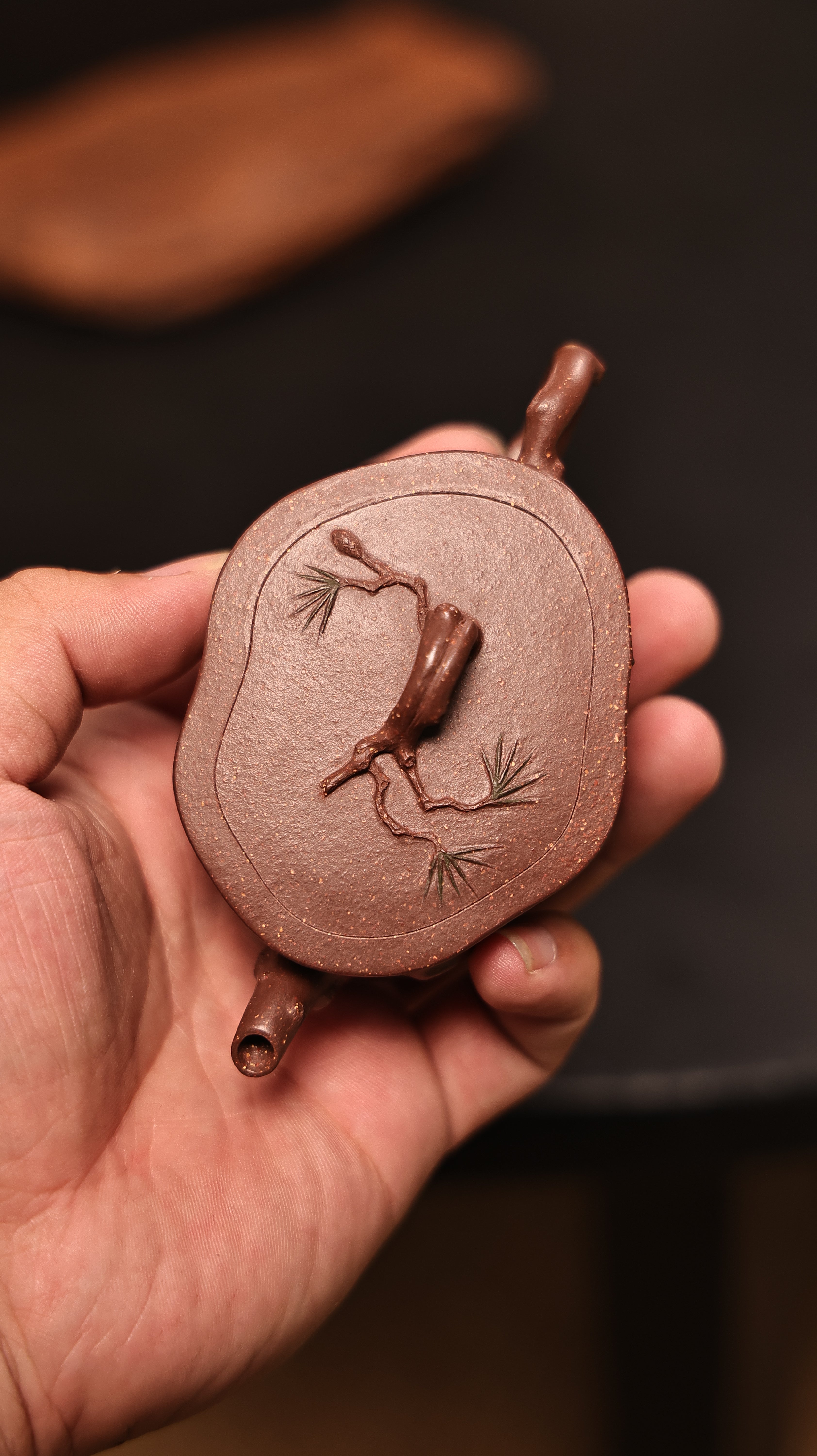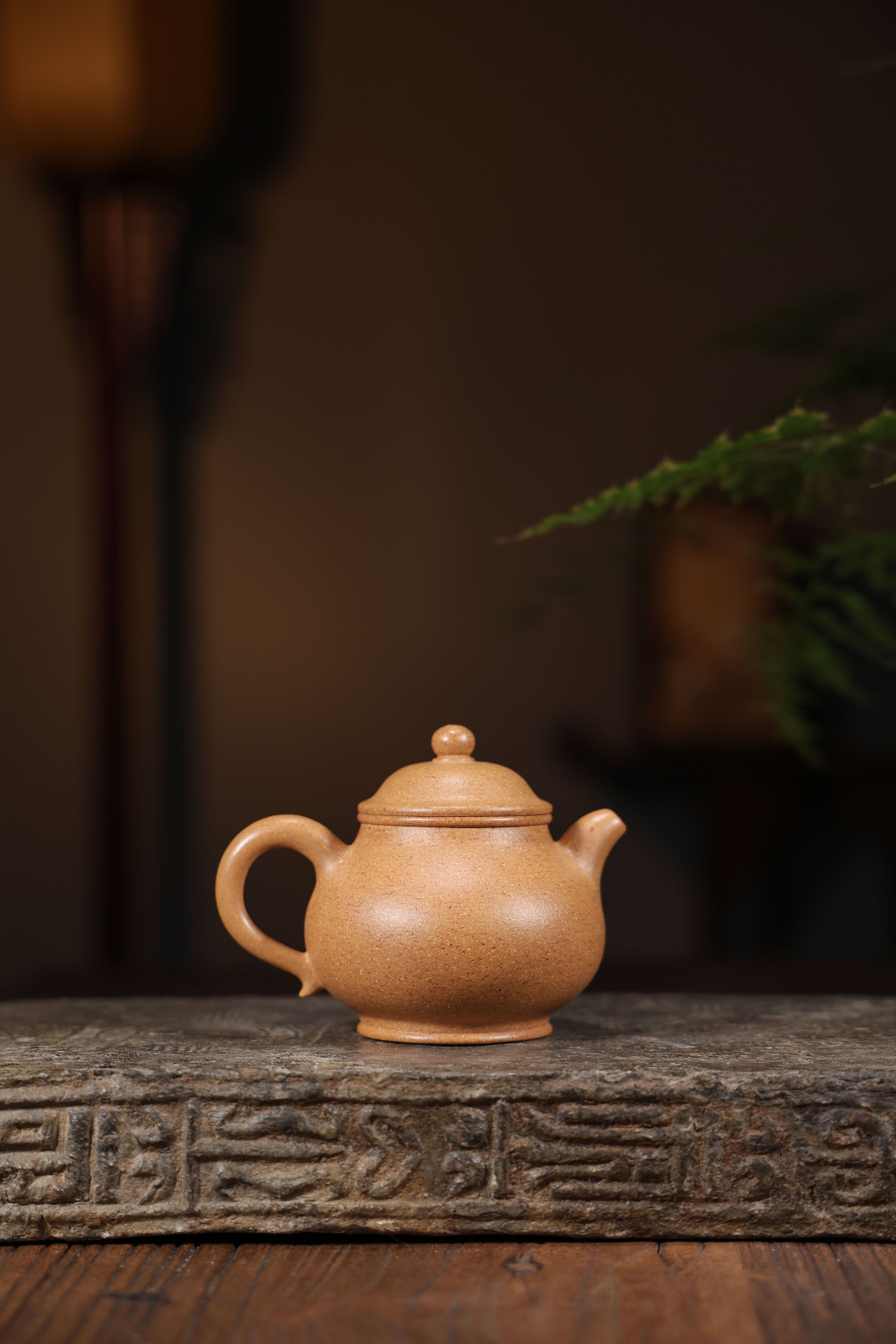
Timeless custom defines Eastern ceramic pots around epochs,
Reflecting peculiar attributes obtained from native aubergine particles, those jars build up a film through practice, enhancing taste drawn from infused drinks.
Exploring Yixing Dirt: Extensive Insights into Zisha
Varied collectors respect the peculiar makeup of Yixing lavender clay, a pillar of time-honored Chinese porcelain. Emanating from the Yixing region of Jiangsu province, this exquisite clay presents an fine mineral blend, whichever imparts exceptional qualities to the final teapots. Styles within Zisha, including Ni Mud, Duan Ni Mud, and Jiang Xi Mud, each provides separate tones, feels, and baking traits, determining the diffusibility and the definitive bouquet growth of the infusion.
Celestial Jar Practices: Exploring Artistry
Eurasian teapots embody greater than mere holders for tea; they illustrate centuries of heritage skill. From the classic Yixing clay variations, respected for their transpiring nature which conveys distinctive tones to the infusion, to the delicate porcelain from Jingdezhen, each piece reveals a chronicle of dedication. The development process is an careful endeavor, often gifted through dynasties of artisans. These artists use classic systems such as hand-building, carving on wheels, and decorating, demonstrating profound reverence for the material and the profession itself. Ponder the care invested in each piece as a symbol of Chinese tradition legacy.
- Fine containers: a celebrated choice.
- Porcelain teapots: distinguished by their delicate design.
- Shaping techniques: a arduous yet worthwhile procedure.
Eastern Clay Kettle Maintenance: Sustaining Your Valuable Artifact
Fitting care of your esteemed Yixing Zisha pot is fundamental to extending its aesthetic. Crafted from exclusive purple sand earth, these fine teapots form a subtle patina after operation, significantly boosting their allure. Stay away from agents; a soft rinse with moderate temperature hydraulic medium is sufficient. Shun high temperature water for washing the teapot, as it may break its body. Allow it to dry away from harsh daylight. Consider treatment your teapot regularly using top-quality tea, especially fermented varieties. Here is a brief manual:
- Wash off with warm fluid.
- Resist agents.
- Allow it to dry fully.
- Mature with choice tea.
Ancestry of Yixing Teapots: From Humble Origins
The narrative of Yixing teapots originates unassumingly during the Tang dynasty, near the 16th century. Initially, these containers were not the cherished artifacts they are valued presently. They were created by territorial potters using the unparalleled purple clay gathered solely in the Yixing vicinity. These early artworks were principally utilitarian, created for habitual performance and often minimal in pattern. It was not until the afterward dynasty that they opened to earn honor beyond mere serviceable crafts.
Identifying the Appropriate Chinese Container: A Newcomer's Handbook
Embarking the realm of Yixing teapots can be intimidating, but shun worry! For rookies, the vital factor is understanding the substrate. True Yixing clay is prized for its permeability, allowing the teapot to capture the tea's tone over time, increasing every extracting session. Ponder the design; traditional spherical shapes prevail, yet tailored preferences play a role. Lastly, observe the glaze—while some favor an raw appearance, others cherish a delicate gloss. Take your time in the pick process—this is an acquisition in a cherished piece of fabrication.
Chinese Purple Containers and Their Influence on Chinese Brew Heritage
Zisha vessels, existing from Yixing, China, have profoundly affected ancient Chinese potion culture. Those Yixing clay teapots, prized for their unique complexion, consistency, and exceptional ability to impart a subtle taste to the potion, function as more than mere containers; they are held dear creations and symbols of status. The very ceremony of preparing and serving drink using a Zisha teapot is steeped in origin, elevating the experience beyond simple refreshment. Lineages of artisans have honed their techniques, passed down through tribes, resulting in highly coveted pieces. For this reason, Zisha teapots are frequently preserved, playing a crucial part in cultivating Sino appreciation for aesthetics and the tradition of brew ceremonies.
- Distinctive Clay Composition
- Giving Subtle Flavor
- Beautiful Craftsmanship
Recognizing Genuine Collectible Chinese Artifacts
Acquiring a certified Yixing teapot can be a pleasurable experience, but the field is often saturated with counterfeits. Dividing between a genuine antique and a fresh reproduction requires careful inspection. Key evidence include the clay's reddish-brown shade, often displaying textured prints, and the nonexistence Yixing Zisha Teapot of modern heating imprints. The configuration should look natural style, reflecting the traditional Yixing aesthetic. Finally, investigating the manufacturer's mark is important to verify realness against published records.
- Assess the clay's surface.
- Look for flaws, indicative of manual quality.
- Hire an consultant for authentication.
Obtaining Traditional Clay Pots: A Complete Overview to Clay Art Evaluation
The domain of Purple Zisha crafts offers a unique opening for experienced supporters. Consistently, the worth of these traditional artifacts is guided by diverse components, such as the rank of component, the dexterity of the potter, the cultural meaning, and, naturally, the ongoing interest. Starters should dedicate effort on exploring the multiple variants of Zisha clay—such as Frosted Water, Silent Urn, and Vermilion Dirt—and examining the details linked to each. Rigorous scrutiny of the craft's profile, cast, and emblem is likewise necessary to make responsible solutions when investing.