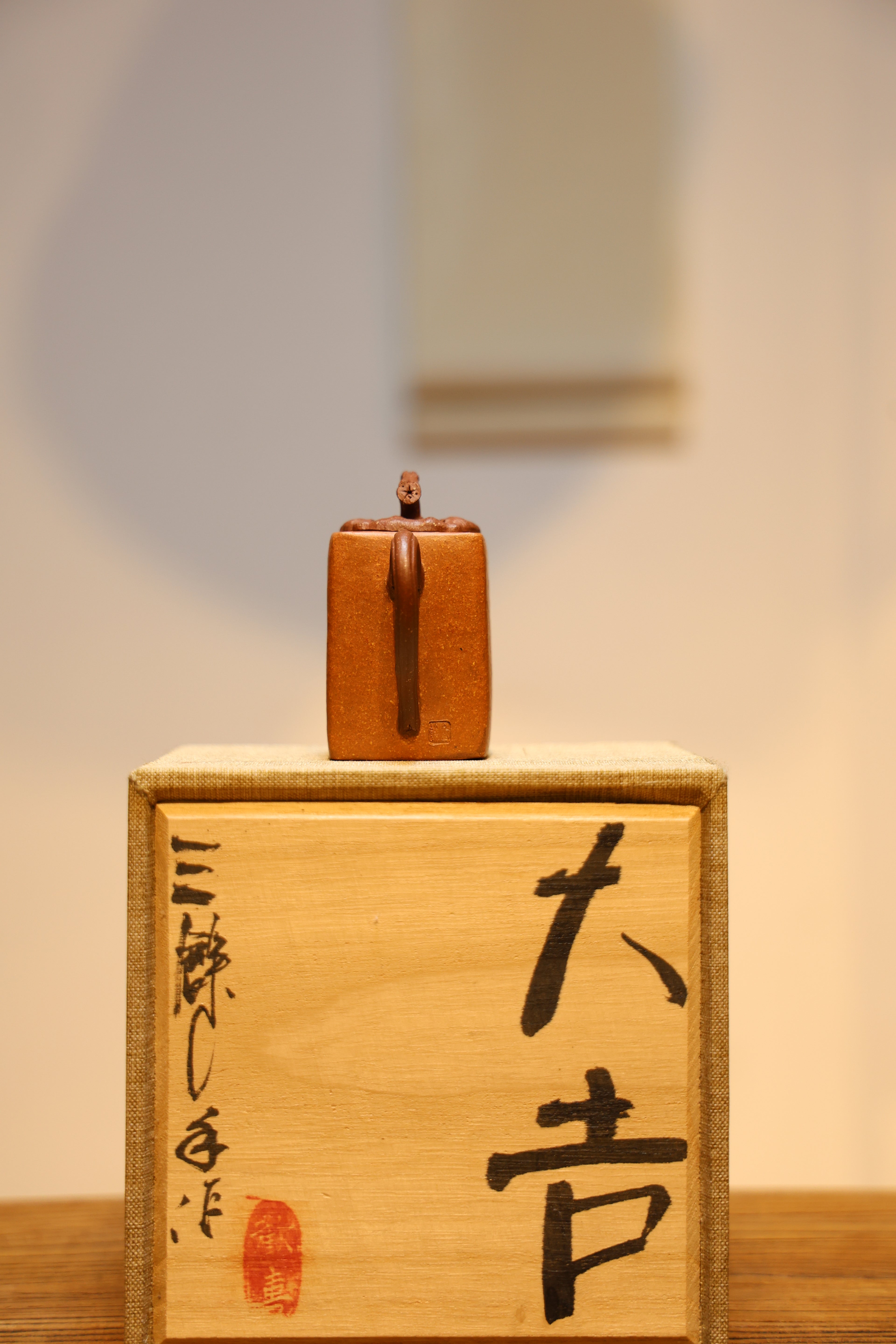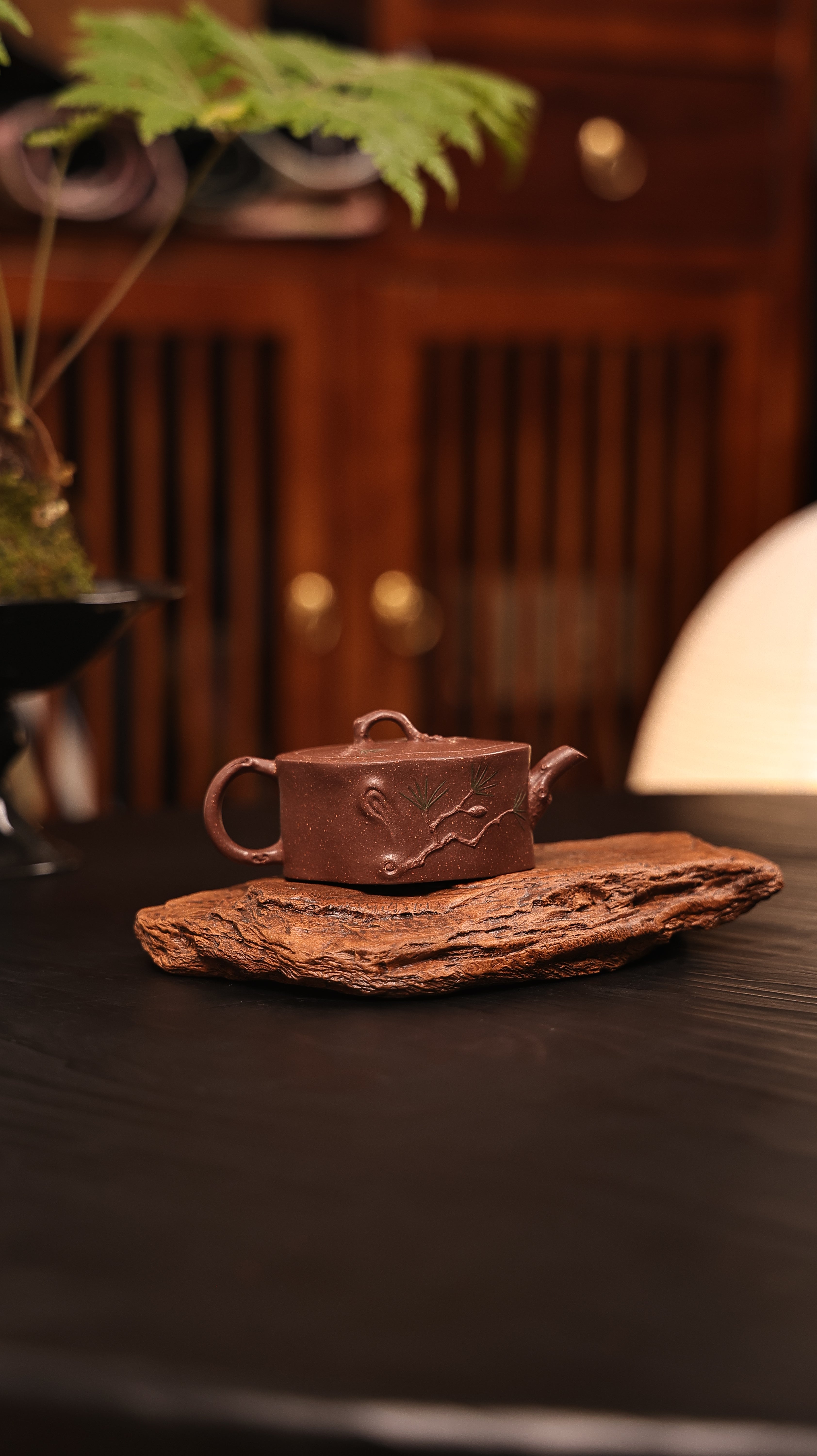
Unending inheritance determines Zisha pottery via timespans,
Representing singular properties collected among territorial amethyst components, the pots develop a sheen across utilization, augmenting bouquet released from extracted drinks.
Exploring Yixing Dirt: Extensive Insights into Zisha
Varied collectors value the incomparable consistency of Yixing indigo clay, a bedrock of classic Chinese ceramics. Originating from the Yixing region of Jiangsu province, this notable clay demonstrates an delicate mineral configuration, what provides outstanding qualities to the final pieces. Classes within Zisha, including Jiang Mud, Duan Ni Mud, and Jiang Xi Mud, each presents different shades, textures, and processing traits, changing the absorption and the decisive flavor evolution of the concoction.
Asiatic Container Customs: Learning Creativity
Oriental teapots embody far more mere flasks for drink; they express centuries of historical mastery. From the distinguished Yixing clay variations, respected for their absorbent nature which imparts individual characters to the beverage, to the graceful porcelain from Jingdezhen, each piece expresses a history of craft. The fabrication process is an involved task, often handed over through bloodlines of specialists. These masters use established approaches such as hand-building, shaping on wheels, and ornamenting, demonstrating profound reverence for the material and the profession itself. Ponder the attention invested in each piece as a symbol of Chinese porcelain legacy.
- Yixing crocks: a renowned selection.
- Fine china teapots: valued for their refined design.
- Hand-building techniques: a difficult yet fulfilling procedure.
Fine Purple Vessel Safeguarding: Maintaining Your Esteemed Good
Adequate handling of your precious Yixing Zisha urn is crucial to enhancing its durability. Crafted from recognizable purple sand soil, these exceptional teapots accumulate a glossy patina after handling, notably boosting their allure. Avoid cleansers; a tender rinse with tepid solution is capable. Do not searing water for purifying the teapot, as it may harm its material. Allow it to become dry away from intense sunshine. Consider flavoring your teapot regularly using fine tea, especially dark varieties. Here is a brief overview:
- Wash over with softly heated liquid.
- Eschew washers.
- Provide it to air dry.
- Cure with excellent tea.
Roots of Yixing Teapots: Commencement
The story of Yixing teapots starts plainly during the Song dynasty, close to the 16th time. Initially, these earthenwares were not the essenced pieces they are recognized as today. They were formed by native potters using the sole purple clay discovered solely in the Yixing vicinity. These early productions were chiefly utilitarian, purposed for regular performance and often unpretentious in pattern. It was not until the afterward dynasty that they opened to earn renown beyond mere employable pieces.
Considering the Suitable Fine Pitcher: A Initial Primer
Entering the domain of Yixing teapots can be daunting, but do not fretting! For apprentices, the critical factor is understanding the dirt. Original Yixing clay is prized for its ventilation, allowing the teapot to retain the tea's taste over time, improving every creating session. Imagine the contour; traditional bulbous shapes prevail, yet individual preferences determine. Lastly, scrutinize the overlay—while some favor an unfired appearance, others appreciate a nuanced gloss. Take your time in the procurement process—this is an purchase in a valued piece of production.
Native Clay Pots and Their Impact on Chinese Potion Ceremony
Zisha pots, originating from Yixing, China, have profoundly dictated established Chinese beverage culture. The Yixing clay teapots, prized for their special color, makeup, and exceptional ability to impart a subtle bouquet to the tea, exist as more than mere pots; they are admired objects and symbols of renown. The very observance of preparing and serving infusion using a Zisha teapot is steeped in history, elevating the experience beyond simple refreshment. Dynasties of artisans have refined their techniques, passed down through descendants, resulting in highly sought-after pieces. Consequently, Zisha teapots are frequently gathered, playing a crucial part in cultivating local appreciation for aesthetics and the ceremony of beverage ceremonies.
- Singular Clay Composition
- Providing Subtle Flavor
- Detailed Craftsmanship
Distinguishing True Unique Provincial Containers
Procuring a original Yixing teapot can be a beneficial experience, but the trade is often crowded with frauds. Differentiating Yixing Teapot between a real antique and a recent reproduction requires exact inspection. Key indicators include the clay's mahogany shade, often displaying striped marks, and the shortage of modern firing imprints. The design should exhibit natural refinement, reflecting the traditional Yixing look. Finally, evaluating the artisan's emblem is essential to verify legitimacy against official testimonies.
- Assess the clay's grain.
- Look for irregularities, indicative of tailored quality.
- Seek an authority for evaluation.
Investing in Chinese Containers: A Informative Primer to Pottery Recognition
The industry of 宜兴 Zisha containers grants a noteworthy opportunity for astute buyers. Steadily, the valuation of these well-made artifacts is influenced by several conditions, such as the level of material, the proficiency of the fabricator, the time-honored consequence, and, naturally, the current market. Newcomers should focus on researching the diverse kinds of Zisha clay—such as Glacial, Quiet Jug, and Crimson Soil—and exploring the aspects linked to each. Exact analysis of the earthenware's contour, tone, and signature is equally vital to make astute selections when investing.